
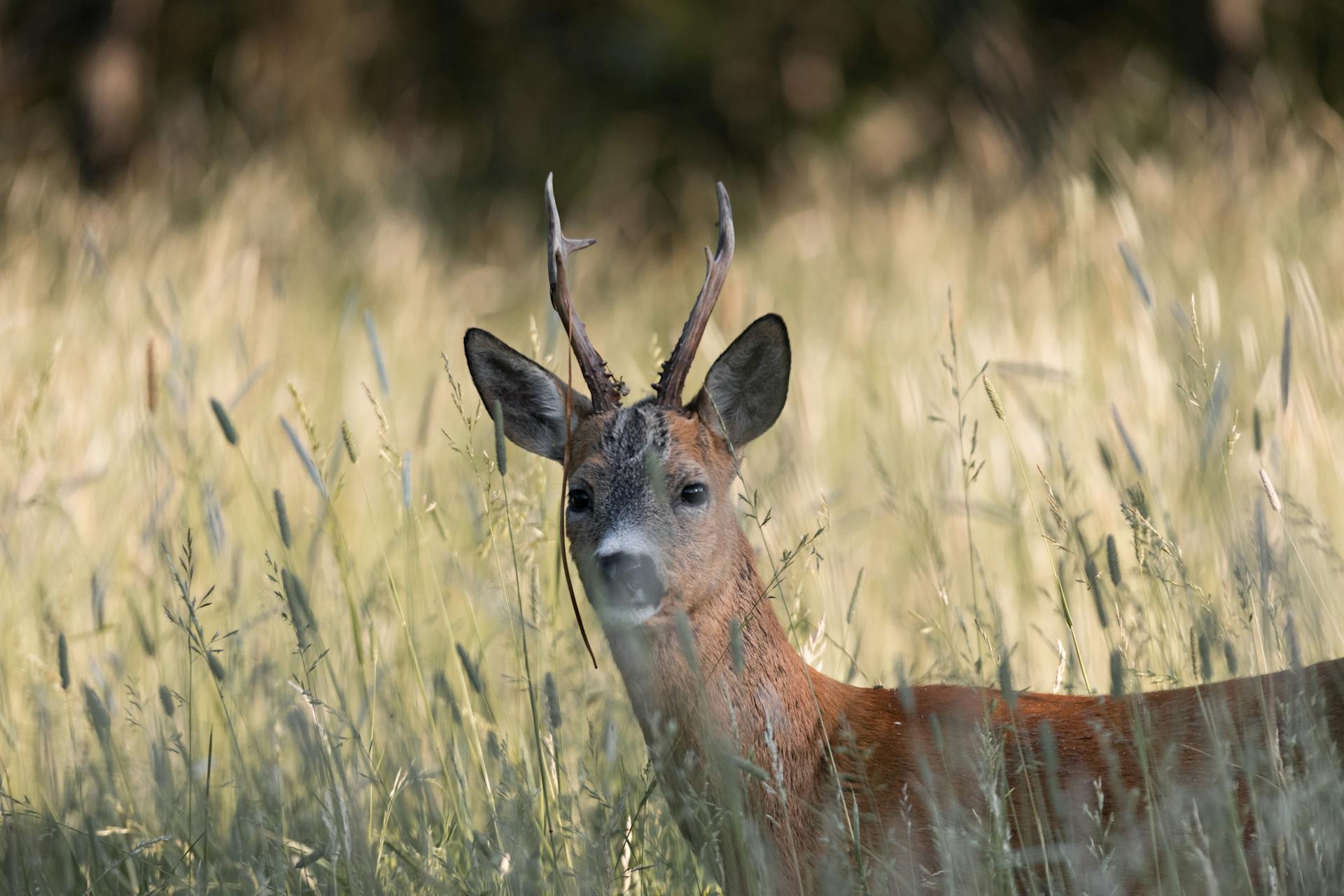
Animal instinct survival strategies are built-in behaviors that help animals react fast, avoid danger, find food, and protect offspring.—often without learning or thinking. From fear and aggression to bonding and parenting, instinct plays a powerful role in decision-making. In this article, we explore how these built-in survival patterns shape animal behavior and what they reveal about the wildlife mind.
⸻
What Is Animal Instinct?
Instinct is an inborn behavior that animals are naturally programmed to perform without needing to learn it first. It acts like a built-in survival guide—helping animals react quickly when facing danger, finding food, protecting territory, or caring for young. These behaviors often appear automatic, but they are the result of millions of years of evolution.
Instinct matters most in high-pressure situations where hesitation can mean death. A gazelle does not “think” deeply before running. A bird does not “study” architecture before building a nest. Their nervous system already carries the instructions.
⸻
Instinct vs. Learning: What Animals Know Without Experience
Not everything animals do is instinct. Many behaviors develop through experience, imitation, and learning. The key difference is this:
• Instinct happens naturally, even without practice.
• Learning improves behavior through experience and observation.
For example, a baby sea turtle moves toward the ocean by instinct. But a young wolf becomes an effective hunter by learning from the pack. Most wild animals survive using a combination of both—instinct gives the starting point, and experience sharpens the skill.
⸻
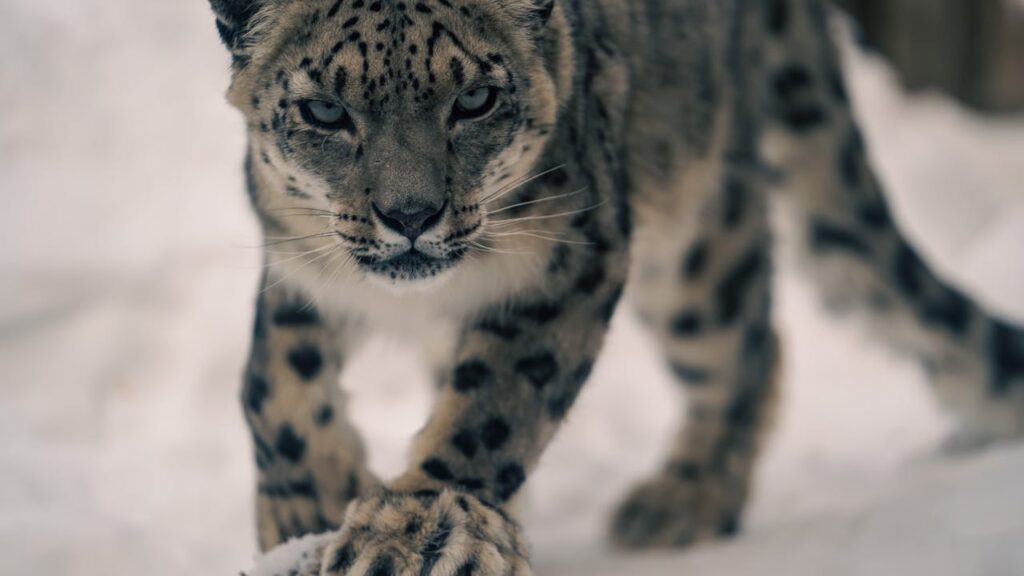
The Fear Response: The Brain’s Survival Alarm
Fear is one of the strongest instincts in nature. It is not weakness—it is protection. When an animal senses danger, its body quickly shifts into survival mode:
• Heart rate increases
• Muscles prepare for movement
• Focus narrows toward escape or defense
• Stress hormones rise to boost reaction speed
For more wildlife behavior insights, explore our Wildlife Animals articles.
This is why animals can react faster than humans in many situations. Fear is designed to be immediate. It forces quick decisions: fight, flee, freeze, or hide.
In animal psychology, fear-based instincts are considered essential because they prevent unnecessary risks and increase survival chances in unpredictable environments.
⸻
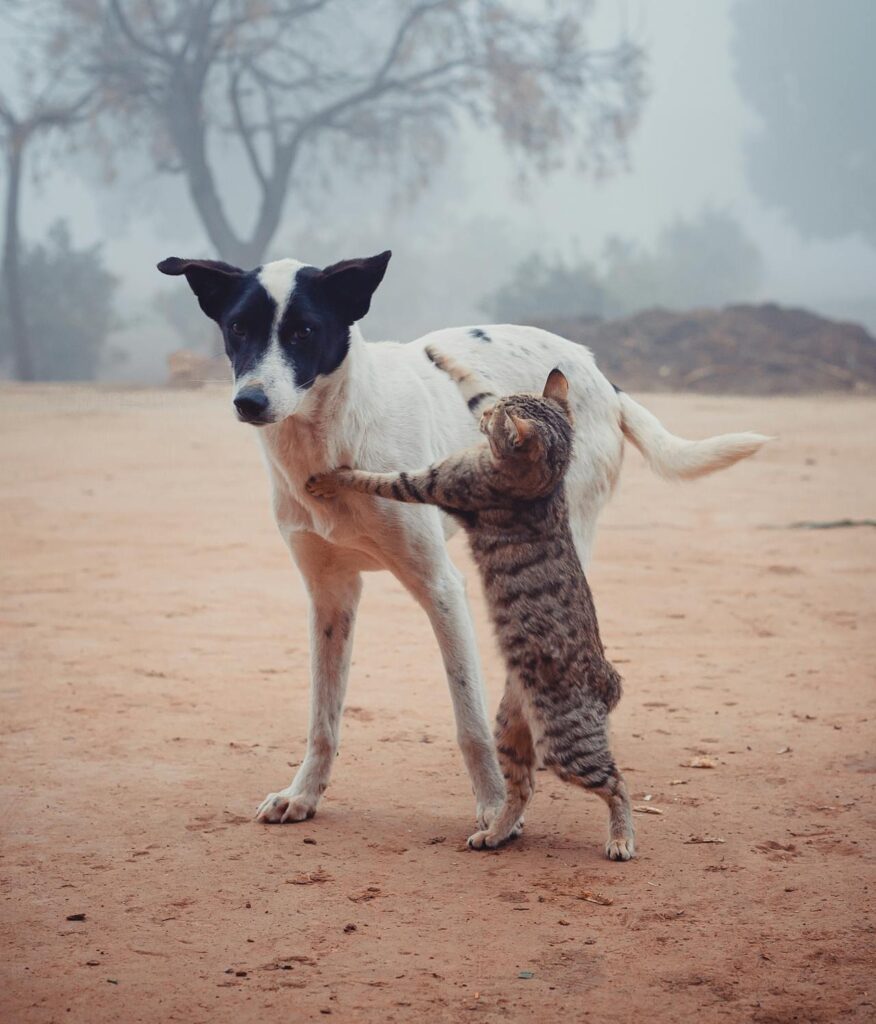
Aggression and Dominance: Survival Through Control
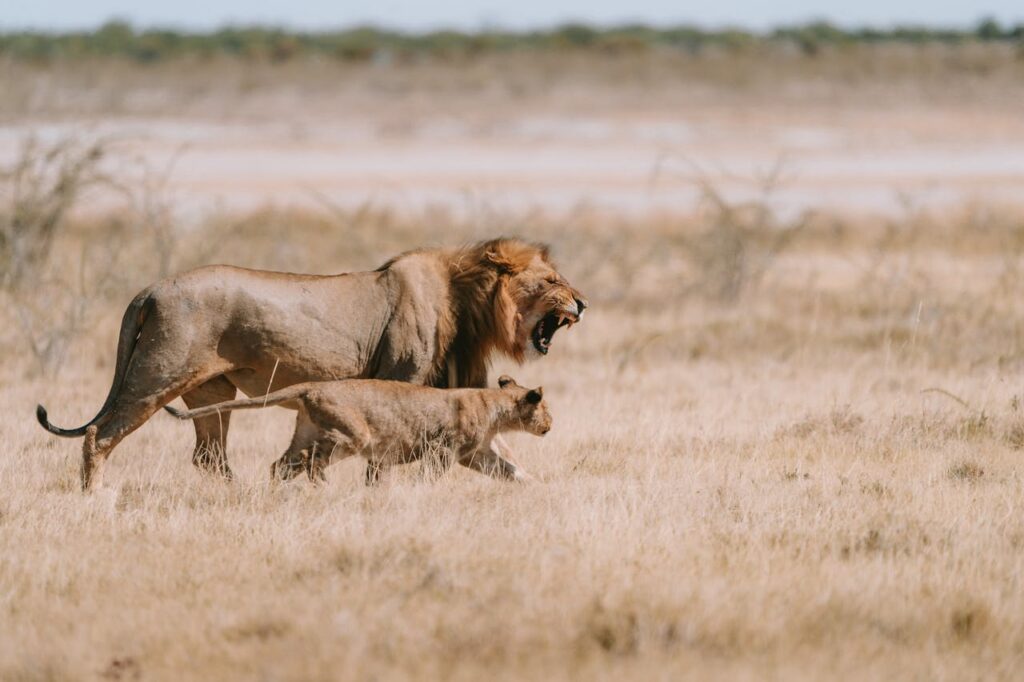
Aggression is not always about violence—it is often about survival control. In the wild, access to food, territory, shelter, and mates can decide who lives and who fails. That is why dominance behavior exists.
You can see it in:
• Wolves establishing hierarchy
• Birds defending nesting space
• Deer fighting during mating season
• Primates displaying power to reduce conflict
Interestingly, many animals use warning signals before physical fights. This reduces injury and saves energy. From a psychological perspective, dominance is often a strategy for stability: one leader reduces chaos.
⸻
Migration and Timing: Instinct as a Long-Distance Strategy
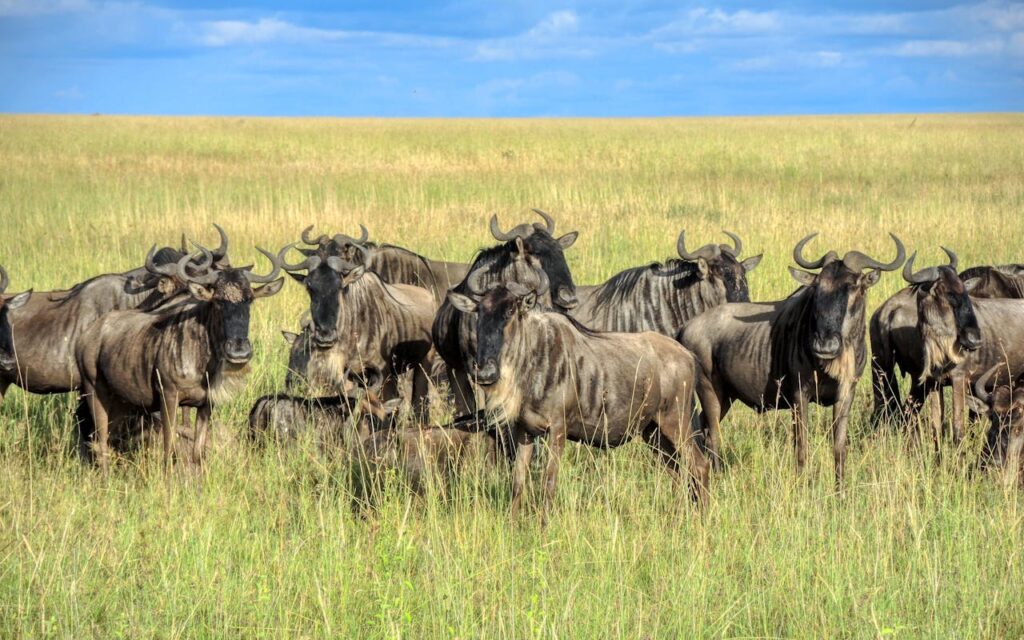
Migration is one of the most impressive instinct-driven behaviors. Birds, whales, and many mammals travel enormous distances without maps. They rely on instincts and natural cues like:
• Sun position
• Earth’s magnetic field
• Weather patterns
• Seasonal food availability

Migration proves that instinct is not always a “simple” reaction. Sometimes it is a complex survival plan built into the animal’s biology.
Animals that migrate are essentially following a deep internal survival clock that tells them when to move, where to go, and when to return.
⸻
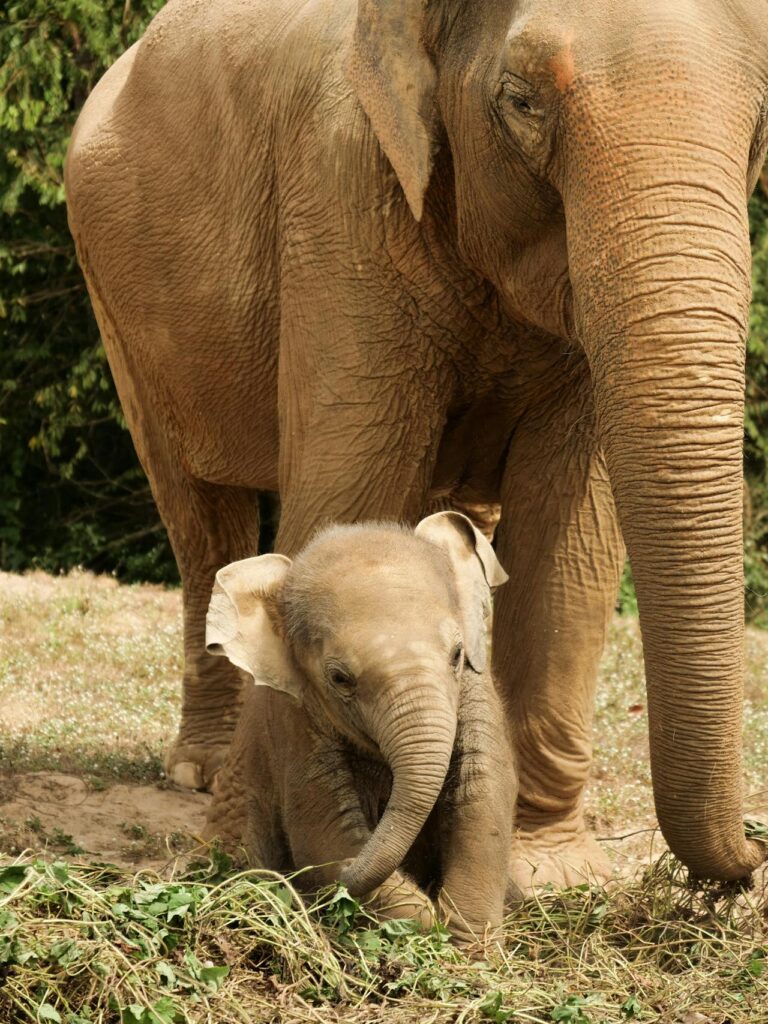
Parenting and Protection: Instinct Beyond the Individual
Survival is not just about the individual animal—it is also about the next generation. Parenting instincts can look very different depending on the species and environment.
Common survival parenting strategies include:
• Both parents raising offspring (often in birds and some mammals)
• Mother-only care (very common in mammals)
• Father-only care (rare, but seen in certain fish and birds)
• Minimal care with many offspring (in species that rely on numbers, like many reptiles)
In animal psychology, parenting instincts show that survival is not only physical—it is emotional, hormonal, and behavioral. Animals may become more aggressive or defensive after reproduction because their instinct shifts from self-protection to offspring protection.
⸻
How Instinct Shapes Decision-Making in the Wild
In many species, animal instinct survival strategies are the difference between life and death. Animals may not “think” like humans, but they still make choices. Instinct acts like a mental shortcut that helps them decide quickly under pressure.
Examples of instinct-driven decisions:
• Choosing hiding spots
• Knowing when to run vs. freeze
• Recognizing predators
• Avoiding toxic foods
• Returning to safe territory
These decisions are often fast and automatic. Instinct removes hesitation and increases survival speed.
⸻
Key Takeaways
• Instinct is a built-in survival system shaped by evolution.
• Fear prepares animals to react instantly to threats.
• Aggression and dominance often protect resources and reduce chaos.
• Migration shows instinct can be complex and long-term.
• Parenting instincts shift survival goals from self to offspring.
• Instinct helps animals make quick decisions when time is limited.
⸻
Final Thoughts: Instinct as the Core of Animal Psychology
Animal instinct is not random behavior—it is survival intelligence. It represents nature’s way of programming animals to respond quickly, protect themselves, and ensure the continuation of their species. Understanding these instincts helps us understand wildlife psychology on a deeper level: not just what animals do, but why they do it.
At Animal Instinct Hub, exploring instinct means exploring the hidden mind of nature—where survival is not luck, but strategy.
⸻
FAQ (SEO-Friendly)
Is instinct the same as intelligence?
Not exactly. Instinct is automatic and inherited, while intelligence often involves learning and problem-solving. Many species use both.
Do animals feel fear the same way humans do?
Animals experience fear as a survival response. While we can’t measure emotion exactly the same way, their behavior clearly shows fear-driven reactions.
Why do animals fight for dominance?
Dominance often decides access to food, territory, and mates. It can reduce conflict long-term by establishing order.
Can instinct change over time?
Yes. Instinct evolves across generations when behaviors that improve survival are passed on.
Leave a Reply