
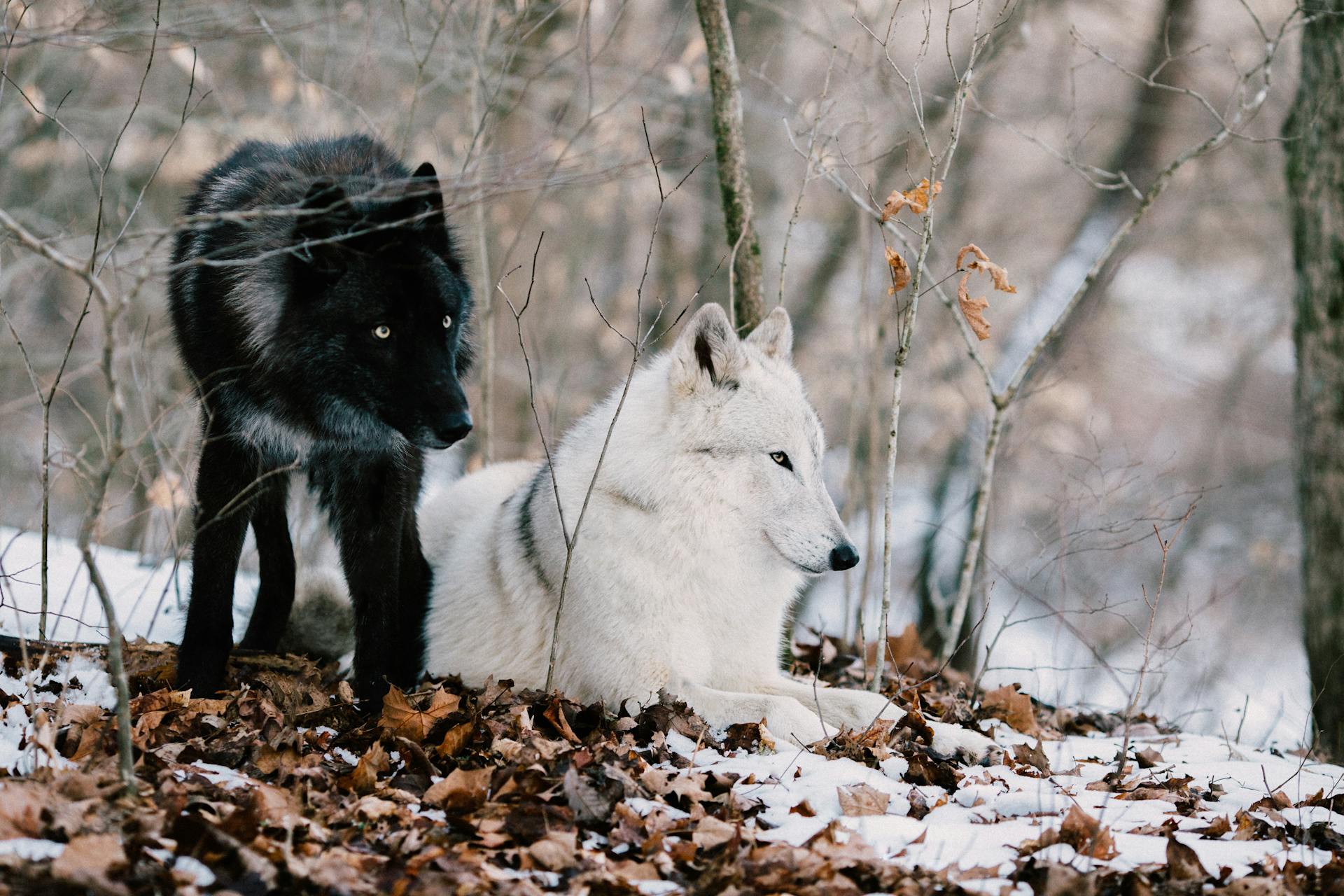
Animal mating behavior is one of the most fascinating topics in nature. It is not only about reproduction. It is a complex system of behavior, communication, competition, and selection. Across the wildlife world, each species follows a strategy to survive and pass genes to the next generation.
In this article, you will learn how animals mate in the wild. We cover courtship rituals, mating systems, hormones, and parenting strategies. We also explain how instinct and psychology shape reproductive decisions.
⸻
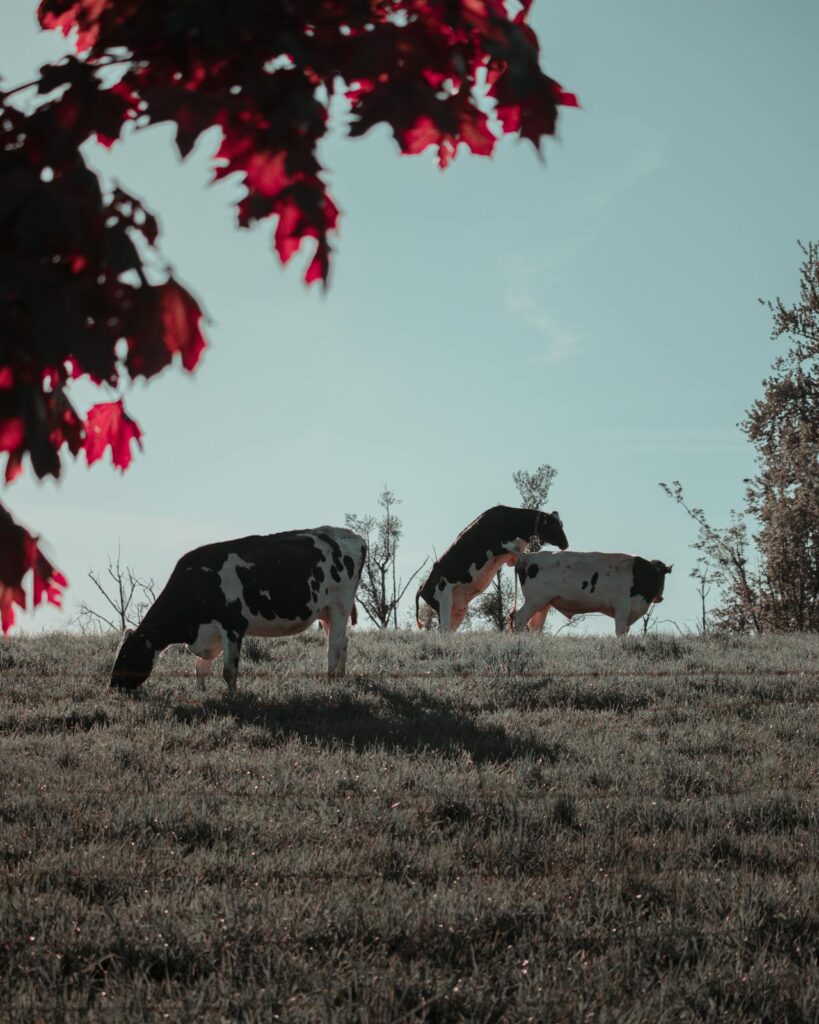
What Is Animal Mating and Why Does It Differ Across Species?
Animal mating is the process that enables sexual reproduction, where genetic material is combined to produce offspring. However, the way animals mate varies dramatically between species.
That variation is influenced by factors such as environment, predator pressure, food availability, population density, and parental responsibilities.
A species living in harsh conditions may mate only during a short season, while another species with stable resources may reproduce throughout the year. These differences are not random — they are adaptive strategies that improve reproductive success in specific habitats.
⸻
Courtship Rituals: The Hidden Language of Behavior
Before mating happens, many animals perform courtship behaviors that act like a communication system. These rituals can include:
• Vocal signals (songs, calls, roars)
• Visual displays (bright feathers, body postures, dances)
• Scent communication (pheromones and territorial marking)
• Food gifts in certain species
Courtship is often a test of quality. It helps a potential partner evaluate health, strength, genetics, and the ability to provide protection or resources. In that sense, mating is not only instinctive — it also reflects a form of natural decision-making that connects to animal psychology.
⸻
Competition and Dominance: Who Gets Access to a Partner?
In many species, mating involves intense competition. Males may fight, display strength, or defend territory to earn mating opportunities. This is common in several mammals and birds, where dominance can determine access to females.
However, not all competition is physical. Some animals rely on social intelligence, alliances, or strategic positioning within a group. This highlights how behavior in wildlife is shaped not only by muscles, but also by social dynamics and survival pressures.
⸻
Sexual Selection: Why Many Females Are More Selective
In many animal species, females tend to be more selective because they often invest more energy in reproduction — pregnancy, egg production, or caring for offspring. As a result, they may choose mates based on traits that signal strong genetics or higher survival value.
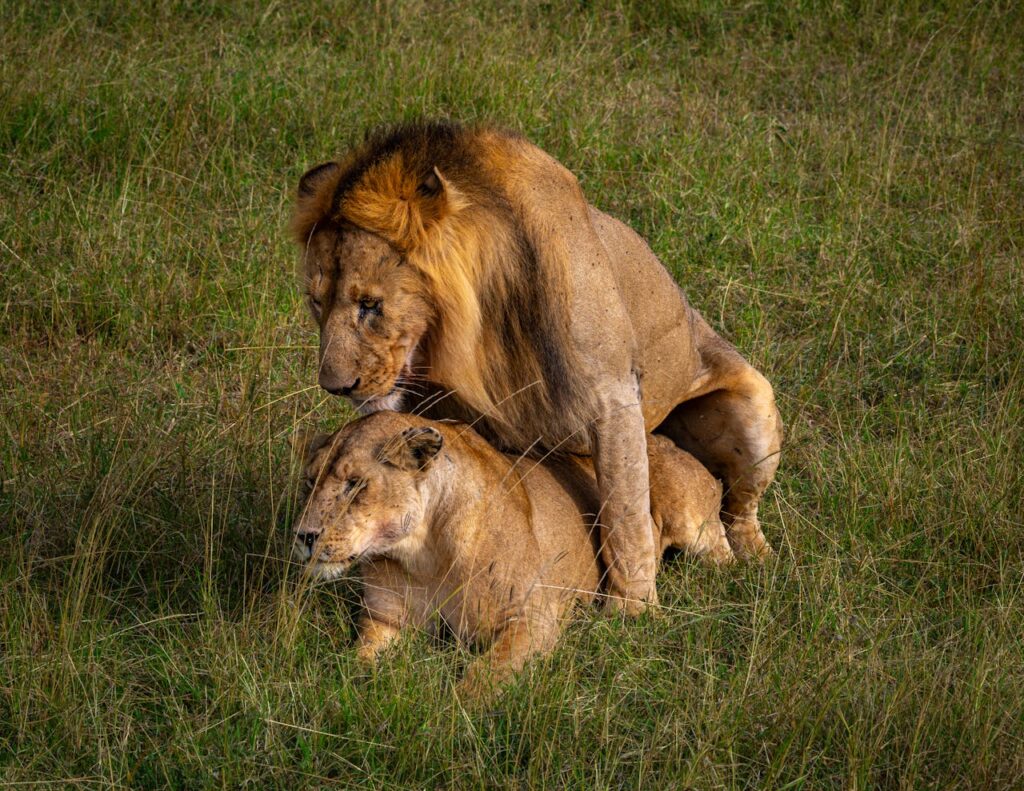
This is a key part of animal mating behavior—mate choice improves survival and reproductive success.
Females may prefer males that show:
• Better physical condition
• More impressive displays or vocal skills
• Strong territory control
• Nest-building abilities
• Protective or resource-providing behavior
This selective process is one reason why many males evolve striking traits that may look extreme but provide an advantage in attracting mates.
⸻
Mating Systems in Wildlife: From Pair Bonds to Multiple Partners
Animal mating systems generally fall into a few common patterns:
1) Monogamy
One male and one female form a pair bond for a season or longer. This often occurs when raising offspring requires cooperation, and it is common in many bird species.
2) Polygyny
One male mates with multiple females. This is frequent in species where males can control territory or groups and where females can raise young with minimal male support.
3) Polyandry
One female mates with multiple males. This is less common but appears in certain birds and insects, often linked to protection, genetic diversity, or resource access.
4) Opportunistic Mating
Some species mate based on availability rather than long-term bonding. This can be common in environments where timing and rapid reproduction are key.
⸻
Mating Seasons: Timing That Protects the Next Generation
Many animals mate during specific seasons to ensure the best survival conditions for offspring. Mating seasons often align with:
• Higher food availability
• Warmer temperatures
• Safer conditions for newborns
• Reduced environmental stress
Hormones, daylight length, and climate cues can trigger reproductive readiness. This shows how wildlife reproduction is tightly linked to both biology and behavioral adaptation — and even the “timing intelligence” of animal psychology.
⸻
Hormones and Signals: What Drives Mating Instinct?
Hormones play a major role in regulating mating behavior. They can increase sexual drive, influence aggression, and determine fertility timing. Many species also rely on chemical signals like pheromones, which communicate readiness to mate without direct contact.
These systems reduce wasted energy and increase reproductive efficiency — another example of how mating behavior has been refined through evolution.
⸻
Parenting After Mating: The Strategy Continues
Mating success does not end with reproduction. In many species, survival depends on how offspring are protected and raised. Parenting strategies differ widely:
• Both parents may care for offspring
• Only the mother may provide care
• Offspring may become independent quickly
• Some species focus on producing many young with minimal care
Each strategy is shaped by wildlife conditions, predator risk, and resource stability — all key parts of animal behavior in nature.
Key Takeaways
• Animal mating is shaped by survival, not randomness. • Courtship signals help animals evaluate mate quality. • Competition and dominance influence access to partners. • Hormones and seasons control timing and fertility. • Parenting strategies vary depending on wildlife conditions.
Final Thoughts: Mating as the Core of Animal Instinct
Animal mating is more than reproduction. It is a powerful blend of instinct, adaptation, communication, and survival planning. From courtship rituals to mating systems and parental care, wildlife reproduction reveals the true depth of animal behavior and the role of natural psychology in decision-making.
On Animal Instinct Hub, understanding mating behavior helps us understand life itself — how nature selects, shapes, and protects the future of every species.
⸻
FAQ (SEO-Friendly)
Is animal mating based on love?
Not in the human sense. But many species form strong pair bonds and cooperative parenting behaviors that can appear similar.
Why do males compete so aggressively?
Because mating opportunities can be limited, and competition increases the chance of passing genes forward.
Do all animals mate in a specific season?
No. Some species have strict mating seasons, while others reproduce year-round depending on environmental stability.
Read our latest post: Animal Social Structures
Leave a Reply